
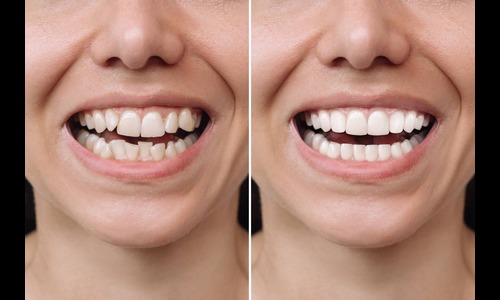
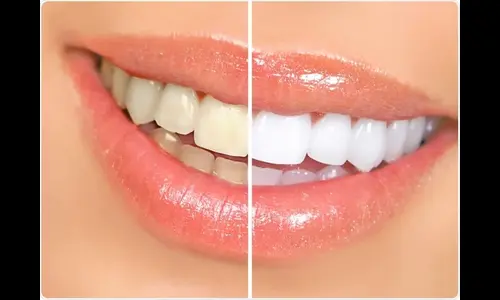
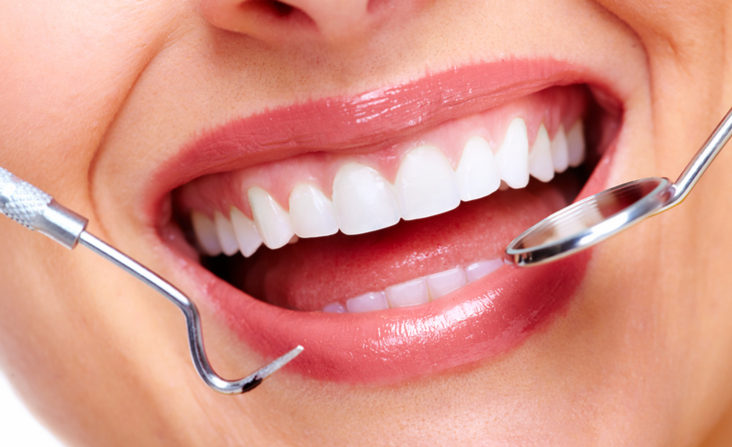
A bright, white smile is often seen as a symbol of health and confidence. Many people desire that dazzling, sparkling look, but achieving it safely is crucial to maintaining good oral health. Teeth whitening has become a popular cosmetic treatment worldwide, but with so many options available, it’s important to know how to whiten your teeth without causing damage. In this blog, we’ll explore effective and safe ways to brighten your smile while protecting your teeth and gums.
Why Do Teeth Become Discolored?
Before diving into whitening methods, it’s helpful to understand why teeth lose their natural whiteness. Teeth discoloration can be caused by:
-
Dietary habits: Foods and drinks like coffee, tea, red wine, and berries can stain teeth over time.
-
Tobacco use: Smoking or chewing tobacco leads to yellowing and stubborn stains.
-
Poor oral hygiene: Inadequate brushing and flossing allow plaque and tartar buildup, which can darken teeth.
-
Aging: As we age, the enamel thins, revealing the yellowish dentin underneath.
-
Medications: Certain antibiotics and medications can cause tooth discoloration.
-
Genetics: Some people naturally have darker teeth or enamel that is more prone to staining.
Understanding these causes can help you prevent further discoloration and choose the right whitening method.
Professional Teeth Whitening: The Safest Choice
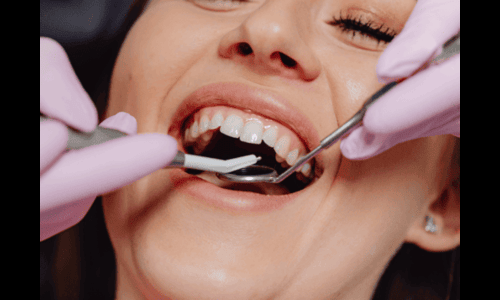
If you want quick and effective results, professional teeth whitening performed by a dentist is the gold standard. Here’s why:
-
Customized treatment: Dentists evaluate your oral health and tailor the whitening process to your needs.
-
Safe application: Professional whitening gels contain higher concentrations of bleaching agents but are applied carefully to protect your gums and enamel.
-
Long-lasting results: Dentist-supervised treatments tend to last longer and provide more noticeable whitening.
-
Reduced sensitivity: Dentists can help manage tooth sensitivity during and after treatment.
In-office treatments like laser whitening or custom-fitted trays with bleaching gel are commonly used methods. While professional whitening can be more expensive, the benefits of safety and effectiveness often outweigh the cost.
Over-the-Counter Whitening Products: What to Look For
If professional whitening isn’t an option for you, many over-the-counter (OTC) products offer a convenient alternative. However, it’s essential to choose products that are safe and approved by dental associations.
Popular OTC whitening options include:
-
Whitening toothpaste: These contain mild abrasives and chemical agents that help remove surface stains but are less effective on deep stains.
-
Whitening strips: Thin strips coated with peroxide gel that you apply to your teeth for a short period daily.
-
Whitening gels and pens: Applied directly to teeth with a brush or pen applicator.
Tips for safe use:
-
Always follow the instructions carefully.
-
Avoid overusing products to prevent enamel damage.
-
Look for products with the American Dental Association (ADA) seal or your country’s dental authority approval.
-
Consult your dentist if you experience increased sensitivity or irritation.
Natural Remedies: Do They Work?
Many people turn to natural remedies for teeth whitening, but it’s important to approach them cautiously.
-
Baking soda: Mildly abrasive and can help remove surface stains when used occasionally.
-
Hydrogen peroxide: A natural bleaching agent used in low concentrations in some whitening products.
-
Oil pulling: Swishing coconut or sesame oil in the mouth may reduce bacteria and improve oral hygiene but has limited evidence for whitening.
-
Activated charcoal: Popular on social media but abrasive and potentially harmful if used frequently.
While some natural methods can help maintain a clean mouth and reduce surface stains, they are not substitutes for professional care. Overuse or improper use of abrasives like baking soda or charcoal can wear down enamel, leading to sensitivity and damage.
Tips to Maintain a Bright Smile After Whitening
Getting your teeth whitened is just the beginning. To keep your smile bright and healthy, follow these tips:
-
Practice good oral hygiene: Brush twice a day with fluoride toothpaste and floss daily.
-
Limit staining foods and drinks: Minimize consumption of coffee, tea, red wine, and dark berries.
-
Avoid tobacco products: Smoking or chewing tobacco not only stains teeth but harms overall oral health.
-
Use a straw: When drinking staining beverages, use a straw to reduce contact with your teeth.
-
Regular dental visits: Cleanings and checkups help prevent buildup that dulls your smile.
-
Touch-up treatments: Depending on your whitening method, occasional touch-ups may be recommended by your dentist.
When to Avoid Teeth Whitening
Not everyone is a candidate for teeth whitening. Avoid whitening if you:
-
Are pregnant or breastfeeding
-
Have sensitive teeth or exposed roots
-
Have untreated cavities or gum disease
-
Have restorations like crowns, veneers, or fillings that won’t whiten
Consult your dentist before starting any whitening treatment to ensure it’s safe and appropriate for you.
Conclusion
A brighter smile can boost your confidence and improve your overall appearance, but safety should always come first. Whether you choose professional whitening, over-the-counter products, or natural methods, make informed decisions to protect your enamel and gums. Regular dental care and mindful habits will help you maintain a healthy, radiant smile for years to come.
Remember, a beautiful smile is not just about whiteness—it’s about overall oral health and self-care.