
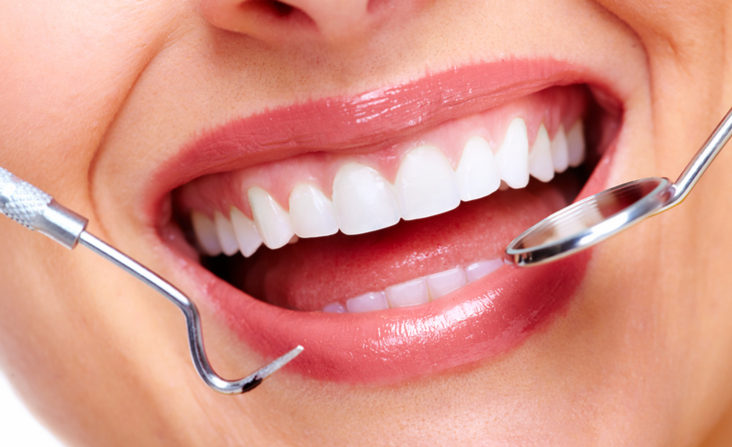
Maintaining good oral health is essential not only for a beautiful smile but also for overall well-being. While regular brushing and flossing are the basics of oral hygiene, they often aren’t enough to keep your teeth and gums in perfect condition. This is where professional dental procedures like scaling and polishing come into play. These treatments, often overlooked, are critical for preventing dental problems and ensuring long-term oral health.
In this blog, we’ll explore why dental scaling and polishing are important, how they work, and the benefits they offer for your teeth and gums.
What is Dental Scaling?
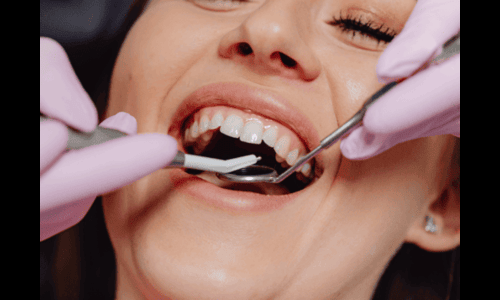
Dental scaling is a professional cleaning procedure performed by a dentist or dental hygienist to remove plaque and tartar (calculus) build-up on the teeth. Plaque is a sticky film of bacteria that forms on your teeth daily. When plaque is not removed through regular brushing and flossing, it hardens into tartar, which cannot be removed by brushing alone.
Tartar buildup, especially along the gumline and between teeth, can lead to serious dental issues such as gum inflammation, bad breath, and even tooth loss if left untreated. Dental scaling uses specialized instruments—either manual tools or ultrasonic devices—to gently scrape away these deposits from the tooth surfaces and beneath the gums.
What is Dental Polishing?
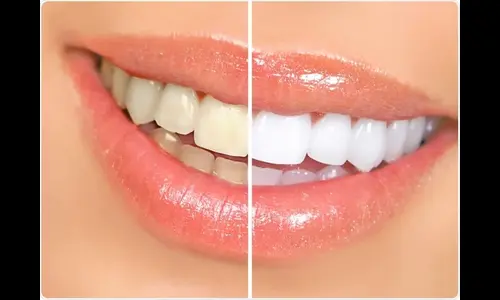
After scaling, the teeth are polished to smooth their surfaces. Polishing removes stains and any residual plaque, making the teeth look clean and shiny. The process uses a rotating rubber cup or brush with a special gritty paste to buff the teeth’s surface. This not only improves the aesthetics of your smile but also makes it harder for plaque to stick to your teeth in the future.
Why Are Scaling and Polishing Important?
1. Prevention of Gum Disease
One of the primary reasons for dental scaling and polishing is to prevent gum disease (gingivitis and periodontitis). Tartar buildup irritates the gums and causes inflammation, which is the first sign of gum disease. If left untreated, gum disease can lead to receding gums, loss of bone around the teeth, and eventually tooth loss.
By regularly removing tartar and plaque through scaling, you reduce bacterial load and inflammation, promoting healthier gums and preventing disease progression.
2. Elimination of Bad Breath
Persistent bad breath (halitosis) is often caused by bacteria trapped in plaque and tartar. Even if you brush your teeth regularly, tartar buildup can harbor bacteria deep under the gumline, causing foul odor.
Professional cleaning through scaling and polishing helps eliminate these bacterial reservoirs, significantly improving breath freshness.
3. Avoidance of Tooth Decay
Plaque and tartar also contribute to tooth decay. The bacteria produce acids that erode the tooth enamel, creating cavities. Since tartar can’t be removed by brushing, it becomes a constant source of acid attack on your teeth.
Scaling removes tartar deposits, reducing the risk of cavities and helping maintain strong, healthy teeth.
4. Improved Aesthetic Appearance
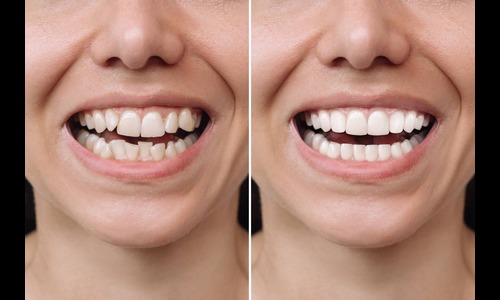
Teeth can become stained over time due to food, drinks like coffee and tea, smoking, or poor oral hygiene. Polishing helps remove surface stains and gives your teeth a brighter, smoother look. This not only boosts your confidence but encourages better oral care habits.
5. Better Overall Health
Oral health is closely linked to overall health. Research has shown connections between gum disease and systemic conditions such as diabetes, heart disease, and respiratory illnesses. Keeping your gums healthy through regular scaling and polishing may reduce inflammation and bacterial load in your body, promoting better general health.
How Often Should You Get Scaling and Polishing?
The frequency depends on your oral health status, lifestyle, and habits. For most people, getting scaling and polishing done every six months during routine dental checkups is sufficient. However, if you have gum disease or heavy tartar buildup, your dentist may recommend more frequent visits.
What to Expect During the Procedure?
Scaling and polishing are painless and usually take about 30 to 60 minutes depending on the amount of buildup. Ultrasonic scalers produce vibrations that break down tartar, and manual tools are used for finer cleaning. After scaling, polishing smoothens the tooth surfaces.
Some sensitivity or mild gum discomfort may occur afterward, but this typically subsides quickly.
Tips for Maintaining Oral Health After Scaling and Polishing
Brush your teeth twice daily with fluoride toothpaste.
Floss regularly to remove plaque between teeth.
Use an antiseptic mouthwash if recommended by your dentist.
Avoid tobacco and limit staining foods/drinks.
Maintain regular dental checkups and cleanings.
Conclusion
Dental scaling and polishing are vital parts of preventive dental care that many people overlook. These professional cleanings help keep your teeth free from harmful plaque and tartar, prevent gum disease, eliminate bad breath, and maintain a beautiful, healthy smile. Regular visits to your dentist for scaling and polishing not only improve your oral hygiene but also contribute to your overall health and well-being.
Investing time in these simple dental treatments can save you from complex dental problems in the future. So, don’t wait for discomfort or visible problems to appear — schedule your next dental cleaning appointment today and keep your smile shining bright for years to come!